Coral Relocation Works, East Africa
Location: East Africa, Mozambique
Duration: October 2020 to February 2021
Client: Van Oord Gulf FZE
Role: Coral Relocation Subcontractor
Water Depth: 2m to 25m Diving
Project Overview
OSC Marine was appointed as the coral relocation subcontractor for a major marine environmental works project in East Africa. The project required the safe relocation, placement, and verification of thousands of coral colonies and coral fragments across a range of shallow marine habitats.
The work was carried out between October 2020 and February 2021 and involved commercial diving, marine support, project management, scientific observation, and detailed reporting. The project combined commercial diving expertise with ecological oversight to ensure that coral relocation activities were completed safely, responsibly, and in line with environmental requirements.
Scope of Work
OSC Marine supplied air diving personnel, diving equipment, support vessels, project management services, and scientific observation and reporting support.
The scope included:
- Transplanting 5,518 coral colonies, including 419 bommies
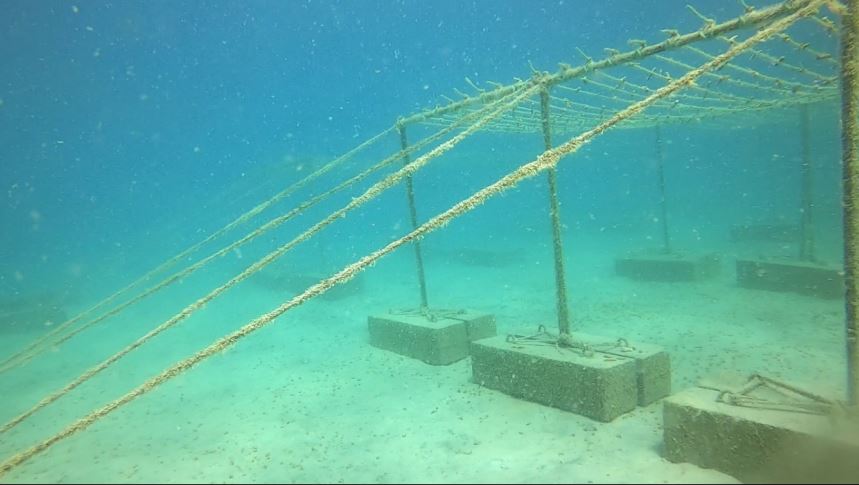
- Placing 15,770 coral pieces in 20 nursery structures
- Placing 100 ARS spiders, with approximately 1,800 Staghorn coral pieces
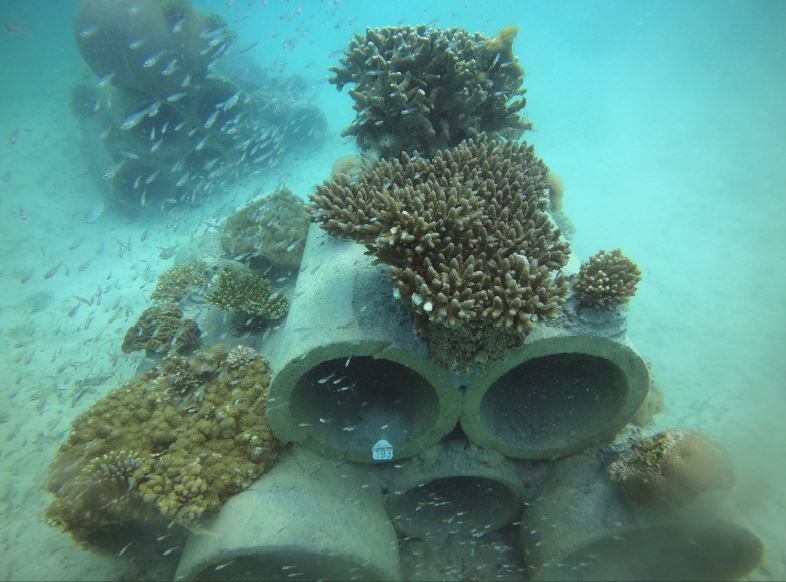
- Placing 241 artificial reef structures, the majority populated with corals
- Verifying 159 locations using divers, surface swimmers, and ROV surveys
The works were performed in water depths ranging from 2 m to 25 m, with coral relocation activities generally conducted between 5 m and 20 m to support safe vessel operations, lifting activities, and diver productivity.
Health, Safety, and Environmental Management
Health, safety, and environmental control formed a central part of the project. Field activities were undertaken in accordance with contract requirements, applicable legislation, international guidelines and standards, IMCA standards, project-specific HSE plans, and approved procedures.
Key HSE considerations included Covid-19 mitigation, commercial diving controls, dive planning, vessel positioning, weather limitations, decompression chamber access, and exclusion requirements within the dive safety zone.
All diving activities were conducted by commercial SSA divers. Each diver was limited to one dive within an 18-hour period, and the dive support vessel remained at anchor while a diver was in the water. A dive decompression chamber was kept within the required response distance, and any vessel entering the dive safety zone resulted in immediate diver recovery.

Personnel and Marine Support
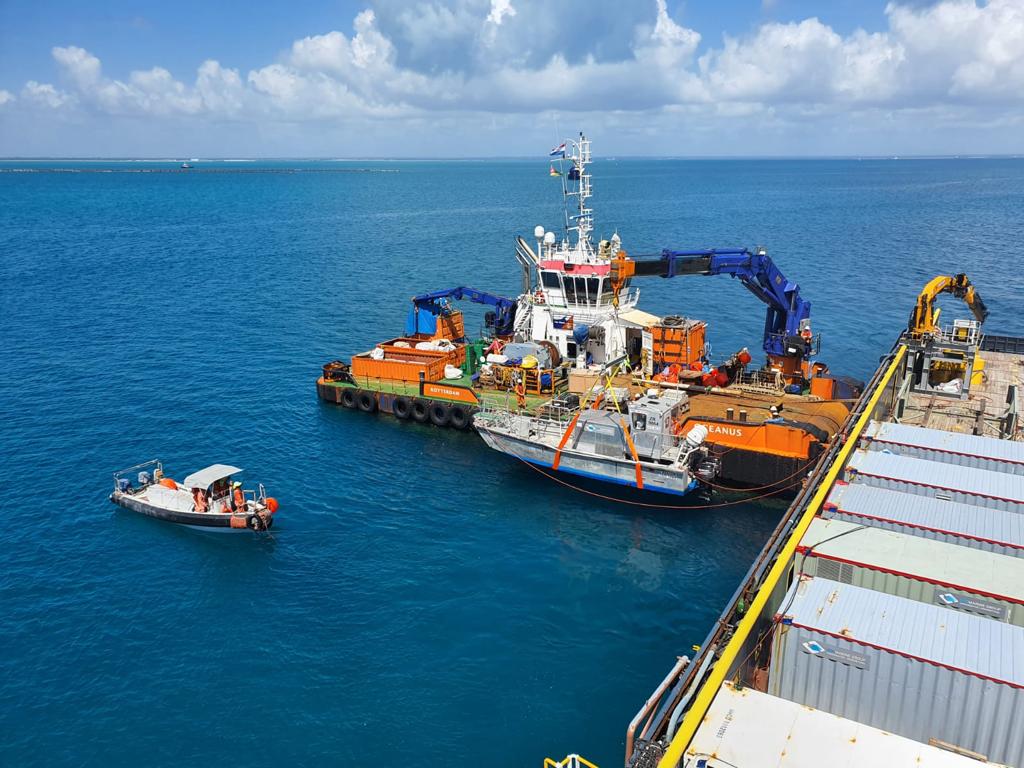
The project was delivered by a joint field team, with OSC Marine providing logistics, marine support, vessels, and commercial dive teams. Two separate IMCA-certified commercial dive teams were supplied, allowing two divers to work in the water at a time when conditions and task requirements permitted.
The wider project team included dive supervisors, commercial divers, dive medical technicians, chamber operators, dive technicians, coral specialists, environmental personnel, vessel captains, skippers, marine supervisors, an offshore project manager, and QHSE support.
Survey and relocation activities were supported by multiple vessels selected according to the daily task, water depth, habitat type, and data collection requirements.
Training and Scientific Oversight
To meet HSE requirements, all underwater work, including scientific survey tasks and coral mitigation activities, was carried out by commercial SSA divers. As the divers were not coral scientists, they received dedicated training before field activities began.
A four-hour virtual training session was provided to the field team, covering project background, coral habitat descriptions, coral selection considerations, survey techniques, and relocation methods. Method statements, standard operating procedures, and additional on-site guidance from coral relocation specialists were also provided throughout the project.
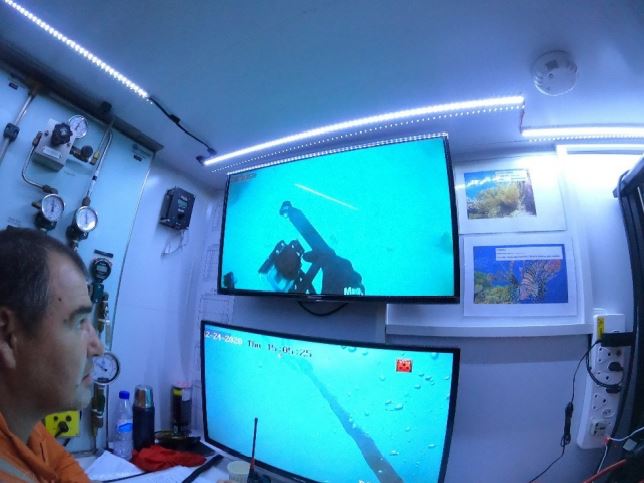
During survey and relocation activities, divers were supported through live video monitoring and two-way communications. Coral specialists provided guidance from topside, helping divers identify suitable corals, confirm handling requirements, and select appropriate reattachment locations.
Field Survey and Verification
The field survey was led by Van Oord and conducted by OSC Marine’s SSA divers to meet HSE requirements. The purpose of the survey was to collect in situ video data across the project area, verify habitat characterisations, and guide coral relocation planning.
Additional surveys were conducted by surface swimmers and ROV where shallow water habitats could not be safely accessed by survey vessels.
Following review of the video data, quantitative results, and qualitative assessments, preferred donor stations were recommended for coral relocation based on habitat suitability and project objectives.
Coral Harvesting, Transport, and Reattachment
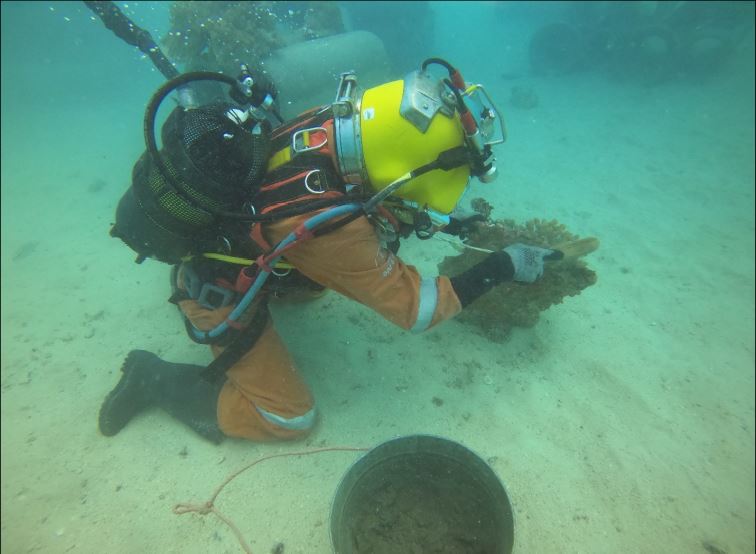
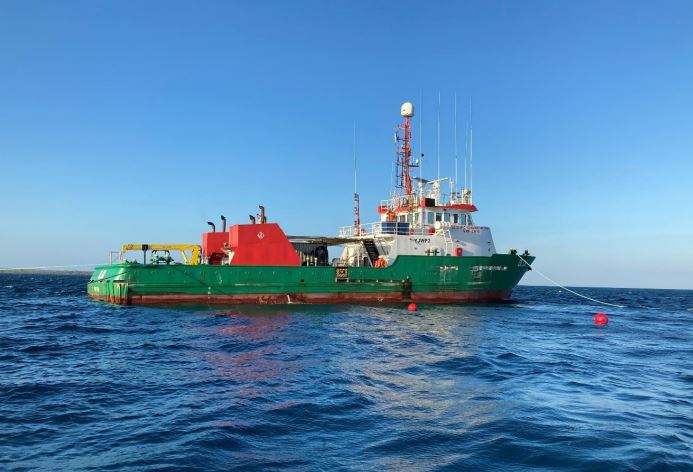
Coral harvesting was undertaken by SSA divers from the M/V Olga using a four-point mooring arrangement. In most cases, one diver conducted each collection dive, with two divers used where larger and heavier corals required handling.
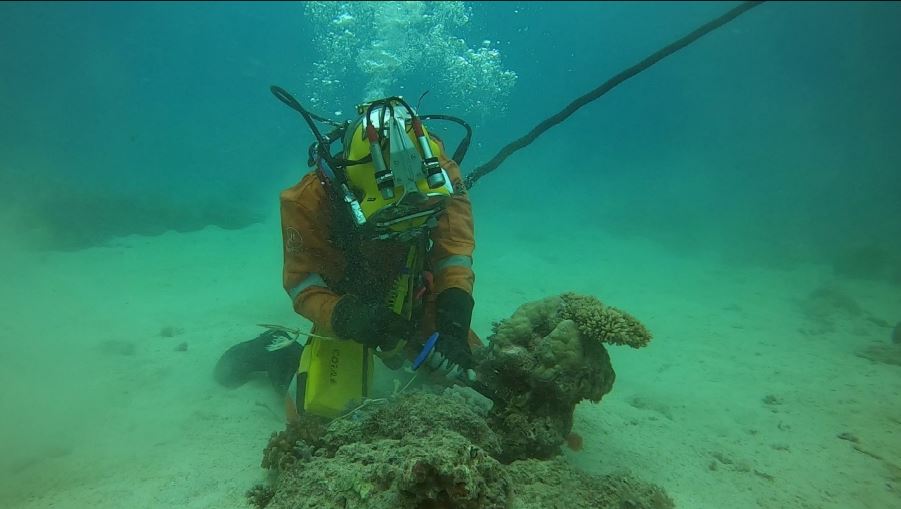
Individual coral colonies were carefully detached from the natural substrate using hand tools such as a hammer and chisel or crowbar. Care was taken to avoid damaging live coral tissue and, where possible, to retain a portion of the original substrate attached to the coral.
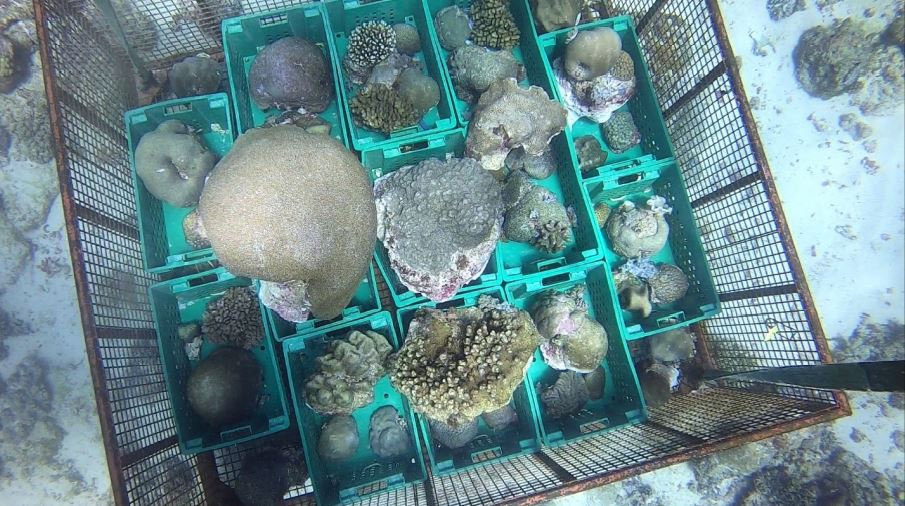
Collected corals were placed into steel baskets fitted with smaller plastic crates to reduce movement during handling. Each basket typically held approximately 40 to 50 coral colonies of varying sizes.
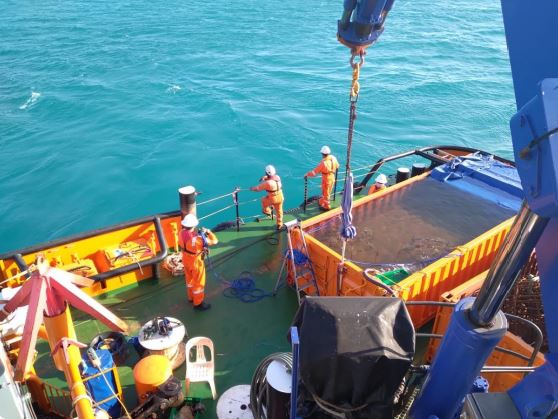
Full baskets were recovered by the M/V Oceanus and placed into flow-through seawater pools on deck for transport to recipient sites. The corals remained fully immersed in seawater, with continuous water refreshment helping to maintain stable ambient conditions during transfer.
At the recipient sites, corals were reattached to natural substrate or artificial reef structures. Final placement locations were selected by SSA divers under the guidance of coral specialists to support natural spatial distribution and reduce impact on existing marine life.
Project Outcome
The coral relocation project demonstrated the successful integration of commercial diving, marine logistics, environmental management, scientific oversight, and offshore project coordination.
Through careful planning, trained dive teams, live topside guidance, and structured environmental reporting, OSC Marine supported the relocation and placement of thousands of coral colonies and coral fragments across the project area.

Conclusion
The East Africa Coral Relocation Works project highlights OSC Marine’s capability to support complex marine environmental projects that require both technical diving expertise and ecological sensitivity.
By providing commercial dive teams, support vessels, project management, and scientific reporting support, OSC Marine helped deliver a safe and carefully managed coral relocation campaign in a sensitive marine environment.