Pipeline Pigging: Improving Efficiency and Pipeline Integrity
Pipelines are the backbone of many industries, transporting valuable products over long distances. However, without regular maintenance, pipelines can experience blockages, corrosion, reduced flow efficiency, and costly operational disruptions. This is where pipeline pigging plays a critical role.
Whether you’re operating in the oil and gas, marine, petrochemical, mining, or water sectors, understanding pipeline pigging can help improve performance, extend asset life, and maintain pipeline integrity. In this article, we’ll explore the pigging meaning, how a pipe pigging system works, the different types of pigs available, and why pigging remains an essential maintenance practice.
For a comprehensive integrity management strategy, pigging should be complemented by professional inspection services such as OSC Marine’s dedicated pipeline and subsea inspection solutions.
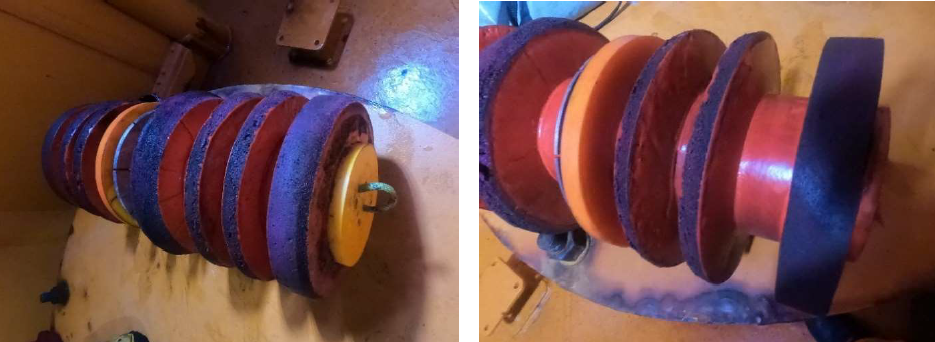
What Does Pigging Mean?
The term pigging refers to the process of inserting a device known as a “pig” into a pipeline to perform specific maintenance or operational activities without stopping the flow of the product in many cases.
Originally, the name is believed to have come from the squealing noise early pigs made while travelling through pipelines. Today, pigging has evolved into a sophisticated practice used for cleaning, inspection, separation of products, and integrity management.
What Is Pipeline Pigging?
Pipeline pigging is the process of sending a pig through a pipeline using the pressure of the product being transported or another driving medium such as air, gas, or water.
As the pig travels through the line, it performs a specific function depending on its design. This could include:
- Removing debris and buildup
- Cleaning pipeline walls
- Separating different products
- Measuring pipeline geometry
- Detecting corrosion, cracks, or defects
- Drying pipelines after hydrotesting
Pipeline pigging is a fundamental part of preventative maintenance programs designed to optimise pipeline performance and reduce operational risks.
How Does Pipeline Pigging Work?
A typical pigging operation follows a structured process.
- Pig Insertion: The pig is inserted into the pipeline via a pigging station, commonly known as a pig launcher.
- Propulsion: Pressure from the transported product, compressed gas, water, or another medium pushes the pig through the pipeline.
- Cleaning or Inspection: As it moves through the pipeline, the pig performs its designated task, whether cleaning deposits, collecting inspection data, or separating products.
- Pig Retrieval: The pig arrives at a receiving station, often called a pig receiver, where it is safely removed from the pipeline.
Modern pigging programs are carefully planned to ensure optimal performance while minimising operational interruptions.
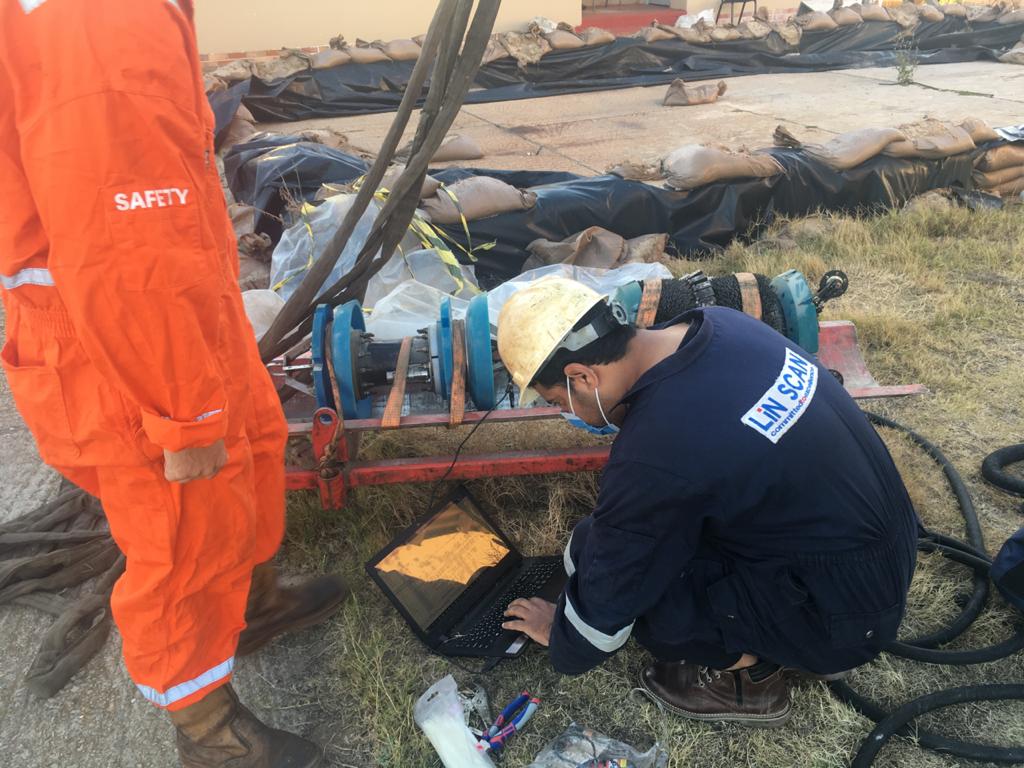
What Components Make Up a Pipeline Pigging System?
A complete pipe pigging system consists of several key components:
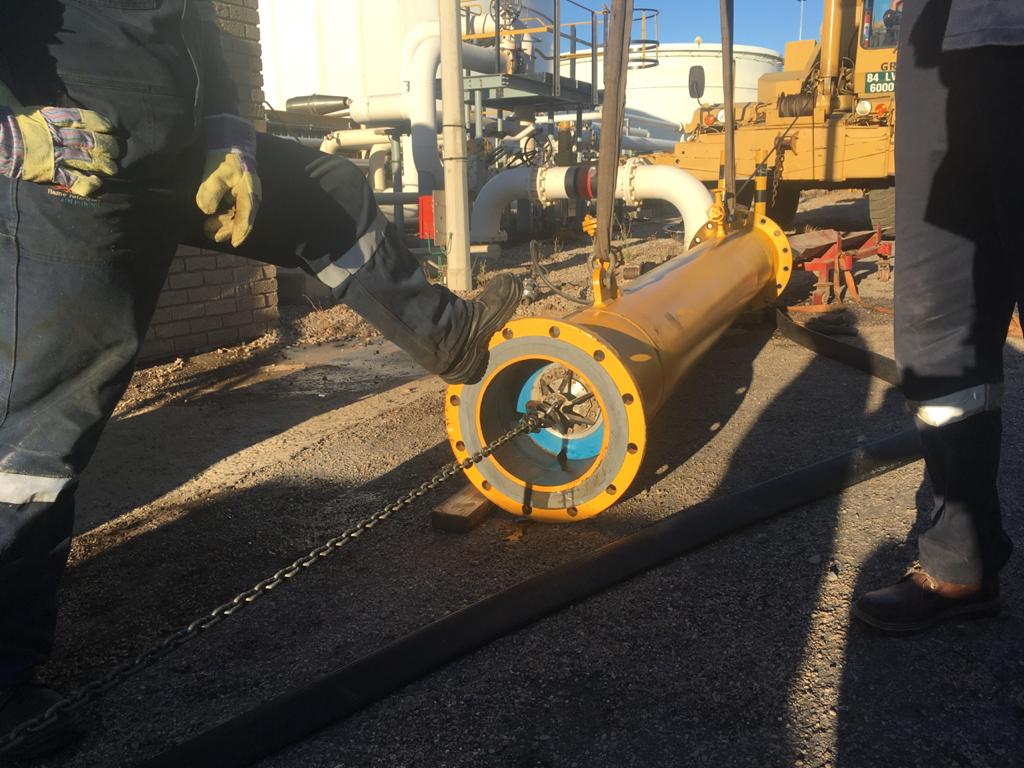
- Pig Launcher: A pressure-rated chamber used to insert the pig into the pipeline.
- Pipeline Pig: The cleaning, inspection, batching, or maintenance device travelling through the pipeline.
- Pig Receiver: A designated chamber used to safely retrieve the pig after its journey.
- Valves and Control Equipment: Control product flow, pressure, and pig movement during operations.
- Monitoring and Tracking Systems: Provide real-time information about pig location and operational progress.
- Pigging Station: The collective installation that houses launchers, receivers, instrumentation, and operational controls.
- Main Types of Pigs: Different applications require different pig designs.
- Cleaning Pigs: Used to remove wax, scale, sludge, marine growth, and debris from pipeline walls.
- Utility Pigs: Typically used for commissioning, dewatering, drying, and product separation.
- Foam Pigs: Lightweight pigs used for cleaning, drying, and proving pipeline passage.
- Batching Pigs: Used to separate different products being transported through the same pipeline.
- Intelligent Pigs (Smart Pigs): Advanced inspection tools equipped with sensors that collect data on corrosion, cracks, metal loss, wall thickness, and geometric deformations.
These pigs play a crucial role in pipeline integrity management.
Common Industries That Use Pigging Systems
Pigging systems are widely used across numerous industries.
- Oil and Gas: The largest user of pipeline pigging for maintenance, cleaning, and inspection of transmission and flow lines.
- Marine and Offshore: Pigging supports subsea pipelines, offshore platforms, and marine transfer systems.
- Petrochemical Processing: Used to improve product quality and prevent contamination between batches.
- Water and Wastewater: Pipelines are cleaned and maintained to prevent blockages and efficiency losses.
- Mining: Slurry pipelines benefit from regular pigging to remove sediment buildup and maintain flow rates.
Typical Pigging System Configurations
The configuration depends on the pipeline’s purpose and operational requirements.
Common systems include:
- Permanent launchers and receivers
- Temporary pigging systems
- Bidirectional pigging systems
- Intelligent pigging configurations
- Offshore and subsea pigging systems
- Multi-product batching systems
Selecting the correct configuration is essential for safe and effective pigging operations.
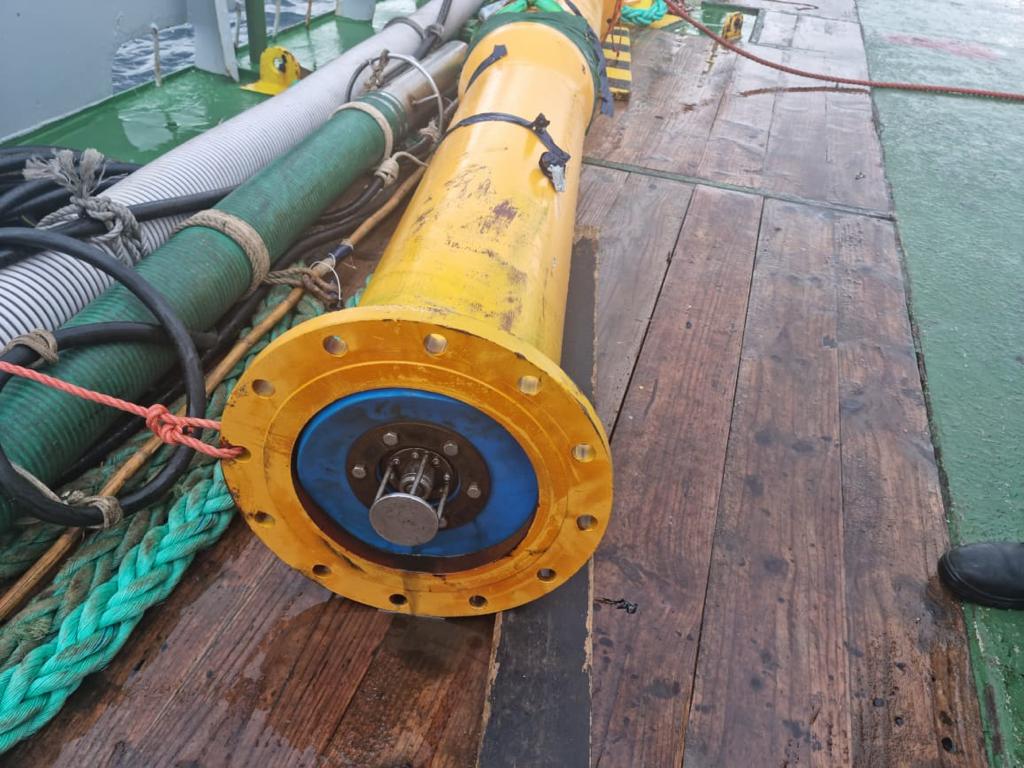
How Is Pipeline Pigging Monitored and Tracked?
Tracking a pig as it travels through a pipeline is critical for operational safety and efficiency.
Common monitoring methods include:
- Pig Signallers: Installed along the pipeline to detect pig passage.
- Electromagnetic Tracking: Allows operators to determine the precise location of intelligent pigs.
- Acoustic Monitoring: Uses sound signatures to track pig movement.
- Smart Pig Telemetry: Provides real-time inspection and operational data during runs.
Accurate monitoring helps prevent pigs from becoming stuck and ensures successful completion of pigging operations.
Health and Safety Considerations
Because pigging operations involve pressurised systems, health and safety must always remain a priority.
Key safety measures include:
- Comprehensive risk assessments
- Lock-out and tag-out procedures
- Pressure isolation and verification
- Personal protective equipment (PPE)
- Trained and competent personnel
- Emergency response planning
- Continuous monitoring of pressure and flow conditions
Following established procedures significantly reduces risks to personnel, assets, and the environment.

Why Do Companies Use Pigging?
The benefits of regular pigging extend beyond simple cleaning.
- Improved Flow Efficiency: Removing deposits reduces friction and allows products to move more efficiently.
- Reduced Operational Costs: Improved flow and lower energy consumption contribute to cost savings.
- Enhanced Product Quality: Pigging prevents cross-contamination between products.
- Extended Asset Life: Removing corrosive materials helps protect pipeline infrastructure.
- Improved Safety: Regular maintenance lowers the risk of leaks, failures, and unplanned shutdowns.
- Better Regulatory Compliance: Supports inspection and maintenance requirements for critical infrastructure.
Why Is Pipeline Pigging Important for Pipeline Integrity?
Pipeline integrity is essential for safe, reliable operations. Deposits, corrosion, and mechanical defects can develop over time, leading to costly repairs or catastrophic failures.
Pigging contributes directly to integrity management by:
- Removing materials that promote corrosion
- Identifying defects before failure occurs
- Monitoring pipeline condition over time
- Supporting maintenance planning
- Improving inspection accuracy
When combined with routine inspections and integrity assessments, pigging provides operators with valuable information needed to make informed maintenance decisions.
Conclusion
Pipeline pigging remains one of the most effective methods for maintaining safe, efficient, and reliable pipeline operations. From cleaning and product separation to advanced integrity assessments using smart pigs, modern pigging technologies help operators maximise performance while reducing operational risks.
A well-designed pipe pigging system, supported by effective monitoring, robust safety procedures, and regular maintenance, can significantly extend pipeline life and improve operational efficiency.
At OSC Marine, we understand the critical role that inspection, integrity management, and subsea asset maintenance play in keeping operations running safely and efficiently. Our inspection and subsea services support clients across offshore, marine, and industrial sectors, helping identify risks before they become costly problems. Contact Us today to learn how OSC Marine can support your pipeline inspection, maintenance, and integrity management requirements.